
MOVIE OF THE MONTH
JUNE ‘26
MOVIE OF THE MONTH
JUNE ‘26

ELECTRA
GLIDE IN BLUE
Directed by James William Guercio | 1973 | 114 min
“I HATE THAT
MOTORCYCLE THEY
MAKE ME RIDE.”
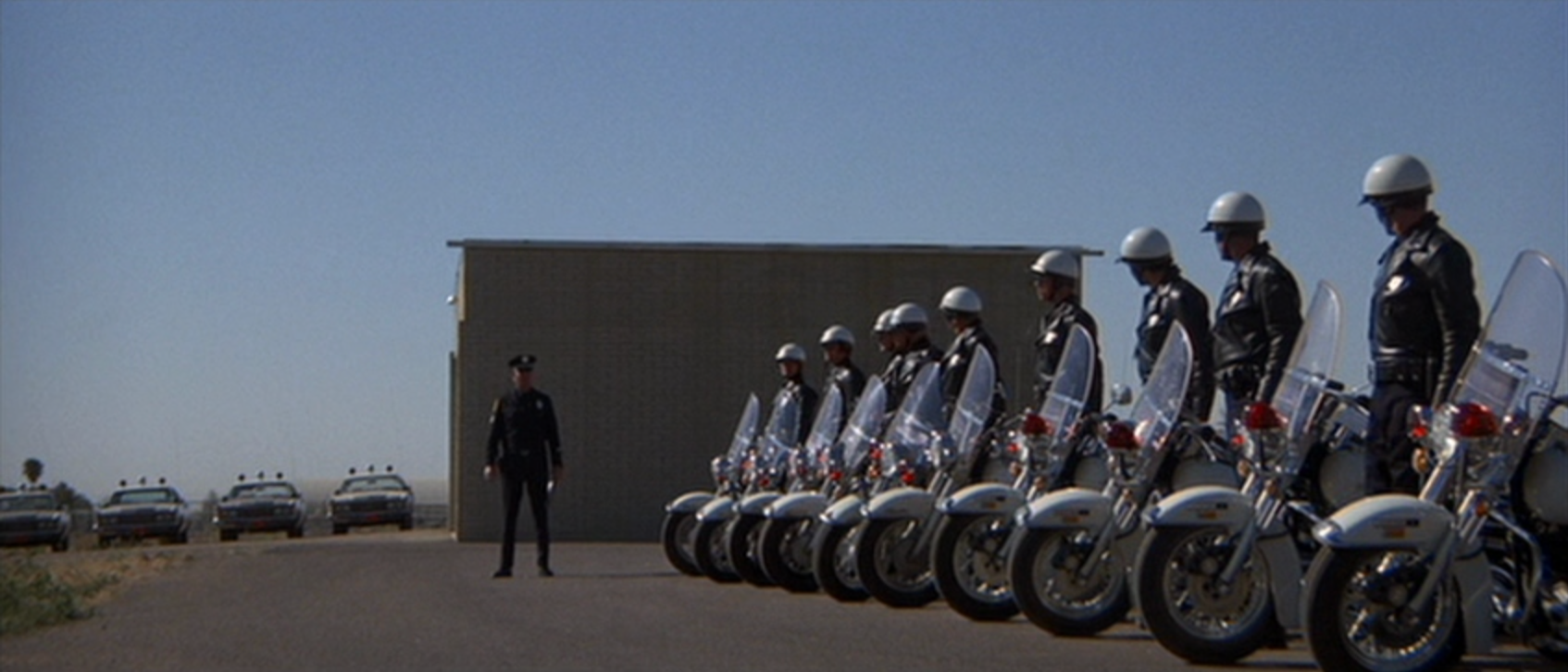
Where once there were cowboys, now there are traffic cops. They ride not on horseback but atop cold steel machines. The ground below them, once open stretches of wild desert, have long since been paved over.
John Wintergreen (Robert Blake) daydreams about being a great lawman. He and his fellow highway patrolmen spend their shifts flipping through the pages of comic books. They talk Batman and Superman to escape the mundanity of giving out traffic tickets and profiling hippies. With his closest friend Zipper (Billy “Green” Bush), Wintergreen plays cat and mouse games. The two sneak up on one another with their weapons drawn. Anything to pass the time. But what Wintergreen really wants is far more than the trivial responsibility he’s been assigned. He wants to work homicide.
When Wintergreen learns of a recluse’s supposed suicide-by-shotgun, he gets that chance. He suspects the apparent suicide is actually a murder, and Detective Harve Poole (Mitchell Ryan) agrees. The two become partners. It doesn’t last.
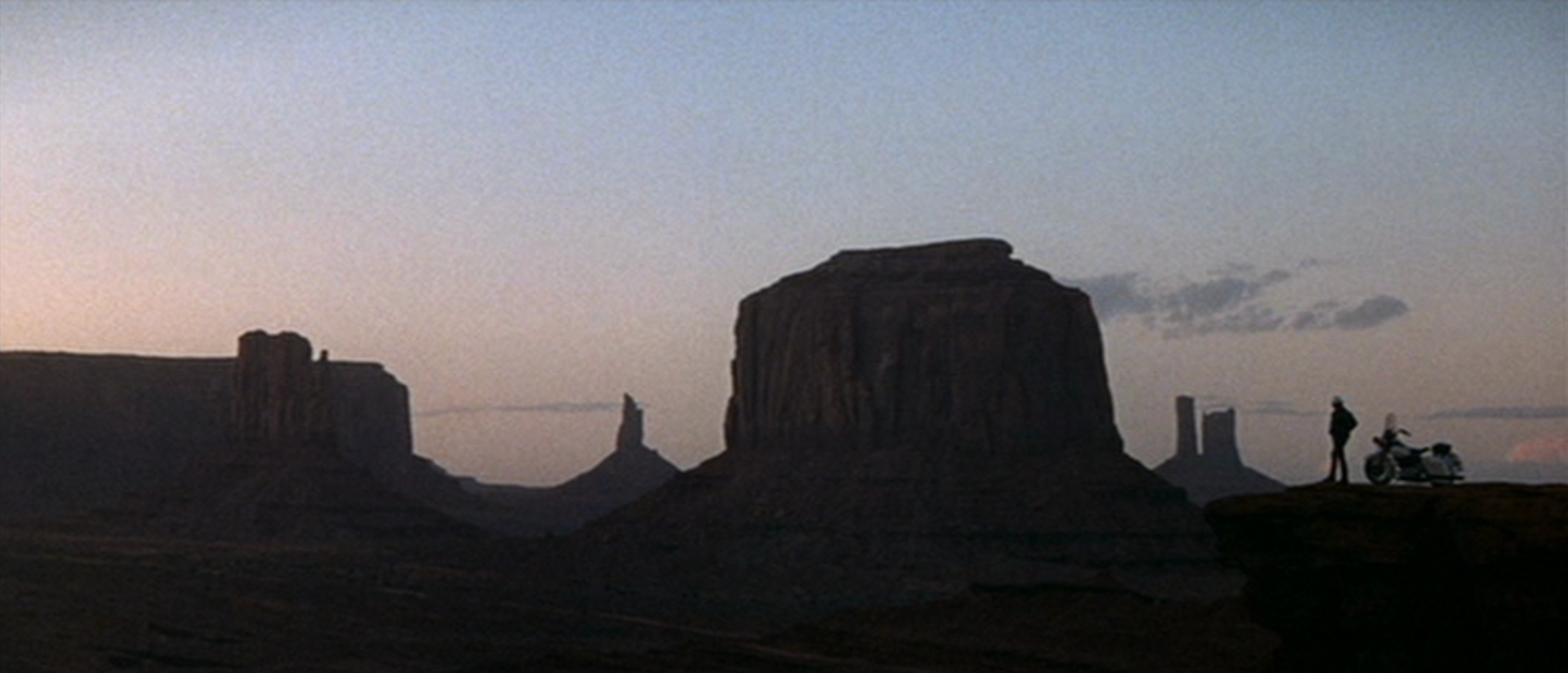
Standing at a meager 5’4”, Wintergreen struggles to fill the shoes he’s been put into. As he accompanies Detective Poole through the Arizona underworld, he finds their actions a far cry from the great western heroes of old. Poole dotes on his girlfriend, who sleeps around with the town locals, Wintergreen included. But predominantly, Poole spends his time leaning on hippies and coerces Wintergreen into doing the same. His forced harassment of counterculture youth stands in stark contrast to his environment. The epic Arizona landscapes, captured by cinematographer Conrad Hall, make the short man seem all the more diminutive. Like images from a John Ford Western, the sweeping horizons serve as a constant reminder that the cowboy is now obsolete in America. Lawmen are no longer freewheeling adventurers but, according to the film, are the rigid cogs of a machine built to retain order. And the new-age adventurers, flower children and beatniks, are their enemy.
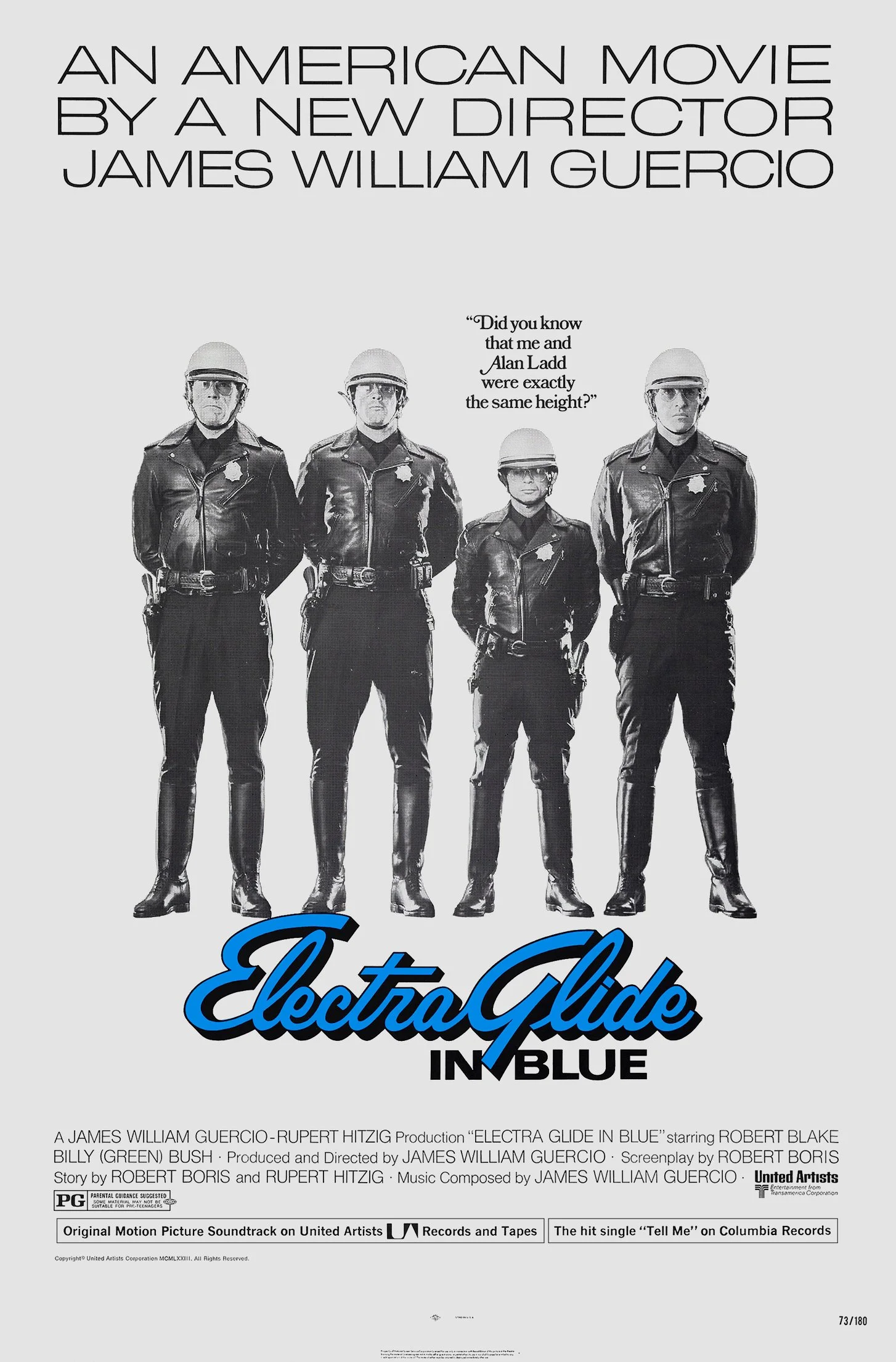
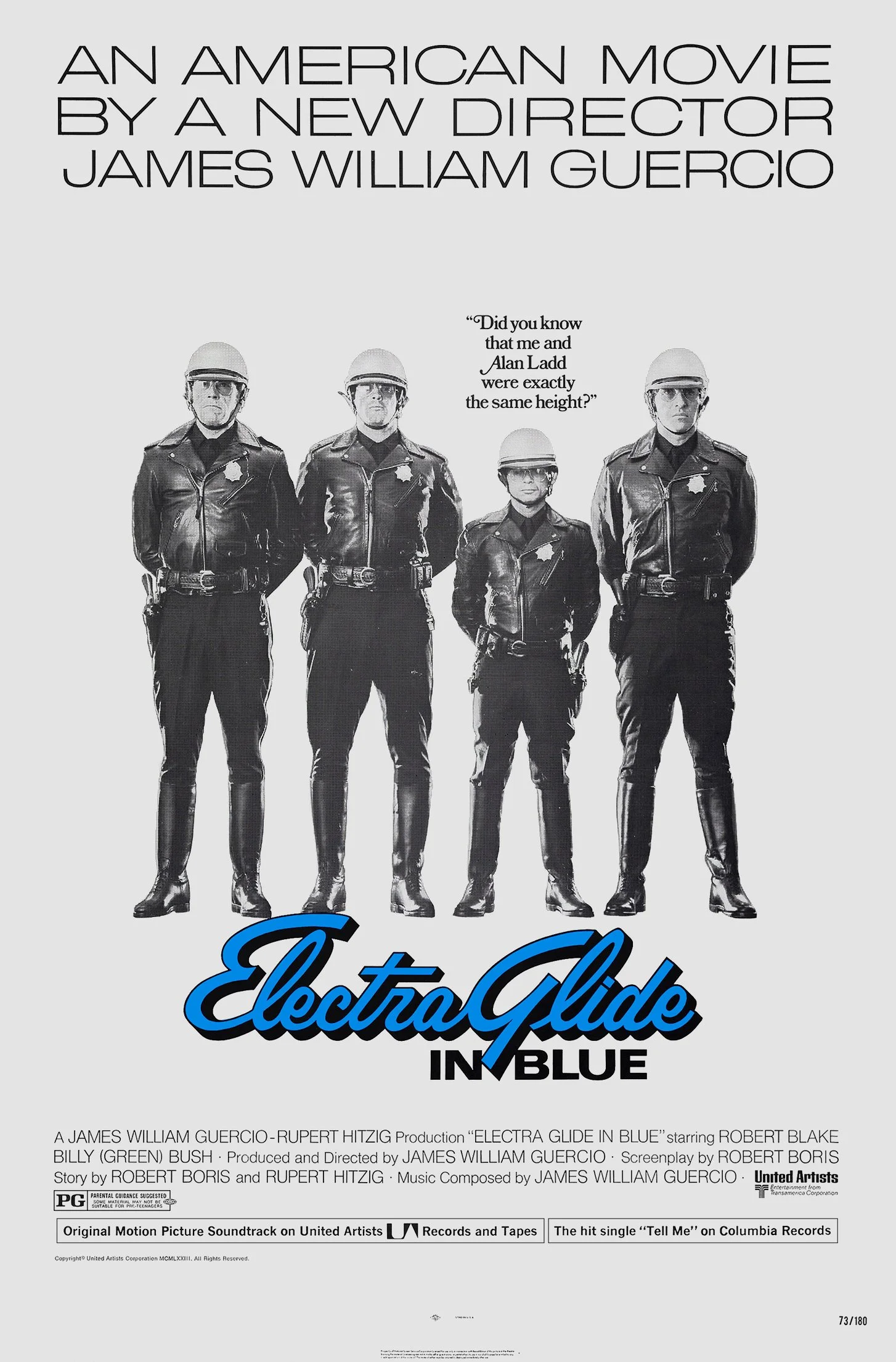
Juxtaposing the vast skies of the film’s exterior shots, its interiors are tightly captured. Close-ups of billiard balls, empty bottles and drum kits create claustrophobia. There is an emphasis on dim lighting and keeping key parts of the setting obscured. This approach for the visuals of Electra Glide in Blue reflects Wintergreen as a character. On the outside, riding his motorcycle, he appears free and self-assured. A look inside, however, shows how messy and confused things really are. “Loneliness,” Wintergreen says, “Do you know that loneliness’ll kill you deadlier than a .357 magnum? Did you know that?” Wintergreen has such a desperation to be somebody that he’ll do or say anything just to be seen. When speaking with two girls at an ice cream truck, he likens himself to the 5’6” actor Alan Ladd, star of the 1953 Western Shane. “Did you know that me and Alan Ladd were exactly the same height? Right down to the quarter inch? Did you know that?” The girls giggle.
Undoubtedly, the greatest triumph of the film, and the achievement of Hall’s photography, is the movie’s closing shot. Wintergreen, attempting to return an ID to a camper van, is shot and killed. The drivers, hippies who were earlier stopped and searched by Wintergreen and Zipper, continue on their way. The body of Wintergreen, which settles into a position like that of a rag-doll, sits in the middle of the highway as the camera pulls away. But the camera keeps rolling, pulling further and further back until the small policeman is out of sight. The implication: Wintergreen, his dream of being the new American cowboy, and his belief in the virtuous lawman are left behind. There is no place for him or his ideas in the modern world. The image, brilliantly paired with the earnest vocals of Terry Kath’s “Tell Me,” demands that the viewer reflect on Wintergreen and his place in society.
Bloodstained and alone on the highway. That is how Wintergreen will forever be remembered. Though the man’s intentions are honest, he loses his innocence over the course of the film. He lies, he cheats and he kills. With its final image, the movie not only creates distance between Wintergreen and the future but between his ideals and reality. The real world isn’t so black and white as the sheriff chasing down the outlaw. Sometimes, the only thing the sheriff is chasing down is himself.
- Matt
ELECTRA
GLIDE IN
BLUE
Directed by James William Guercio
1973 | 114 min
Where once there were cowboys, now there are traffic cops. They ride not on horseback but atop cold steel machines. The ground below them, once open stretches of wild desert, have long since been paved over.
John Wintergreen (Robert Blake) daydreams about being a great lawman. He and his fellow highway patrolmen spend their shifts flipping through the pages of comic books. They talk Batman and Superman to escape the mundanity of giving out traffic tickets and profiling hippies. With his closest friend Zipper (Billy “Green” Bush), Wintergreen plays cat and mouse games. The two sneak up on one another with their weapons drawn. Anything to pass the time. But what Wintergreen really wants is far more than the trivial responsibility he’s been assigned. He wants to work homicide.
When Wintergreen learns of a recluse’s supposed suicide-by-shotgun, he gets that chance. He suspects the apparent suicide is actually a murder, and Detective Harve Poole (Mitchell Ryan) agrees. The two become partners. It doesn’t last.
Standing at a meager 5’4”, Wintergreen struggles to fill the shoes he’s been put into. As he accompanies Detective Poole through the Arizona underworld, he finds their actions a far cry from the great western heroes of old. Poole dotes on his girlfriend, who sleeps around with the town locals, Wintergreen included. But predominantly, Poole spends his time leaning on hippies and coerces Wintergreen into doing the same. His forced harassment of counterculture youth stands in stark contrast to his environment. The epic Arizona landscapes, captured by cinematographer Conrad Hall, make the short man seem all the more diminutive. Like images from a John Ford Western, the sweeping horizons serve as a constant reminder that the cowboy is now obsolete in America. Lawmen are no longer freewheeling adventurers but, according to the film, are the rigid cogs of a machine built to retain order. And the new-age adventurers, flower children and beatniks, are their enemy.
Juxtaposing the vast skies of the film’s exterior shots, its interiors are tightly captured. Close-ups of billiard balls, empty bottles and drum kits create claustrophobia. There is an emphasis on dim lighting and keeping key parts of the setting obscured. This approach for the visuals of Electra Glide in Blue reflects Wintergreen as a character. On the outside, riding his motorcycle, he appears free and self-assured. A look inside, however, shows how messy and confused things really are. “Loneliness,” Wintergreen says, “Do you know that loneliness’ll kill you deadlier than a .357 magnum? Did you know that?” Wintergreen has such a desperation to be somebody that he’ll do or say anything just to be seen. When speaking with two girls at an ice cream truck, he likens himself to the 5’6” actor Alan Ladd, star of the 1953 Western Shane. “Did you know that me and Alan Ladd were exactly the same height? Right down to the quarter inch? Did you know that?” The girls giggle.
Undoubtedly, the greatest triumph of the film, and the achievement of Hall’s photography, is the movie’s closing shot. Wintergreen, attempting to return an ID to a camper van, is shot and killed. The drivers, hippies who were earlier stopped and searched by Wintergreen and Zipper, continue on their way. The body of Wintergreen, which settles into a position like that of a rag-doll, sits in the middle of the highway as the camera pulls away. But the camera keeps rolling, pulling further and further back until the small policeman is out of sight. The implication: Wintergreen, his dream of being the new American cowboy, and his belief in the virtuous lawman are left behind. There is no place for him or his ideas in the modern world. The image, brilliantly paired with the earnest vocals of Terry Kath’s “Tell Me,” demands that the viewer reflect on Wintergreen and his place in society.
Bloodstained and alone on the highway. That is how Wintergreen will forever be remembered. Though the man’s intentions are honest, he loses his innocence over the course of the film. He lies, he cheats and he kills. With its final image, the movie not only creates distance between Wintergreen and the future but between his ideals and reality. The real world isn’t so black and white as the sheriff chasing down the outlaw. Sometimes, the only thing the sheriff is chasing down is himself.
- Matt
