
MOVIE OF THE MONTH
MAY ‘26
MOVIE OF THE MONTH
MAY ‘26

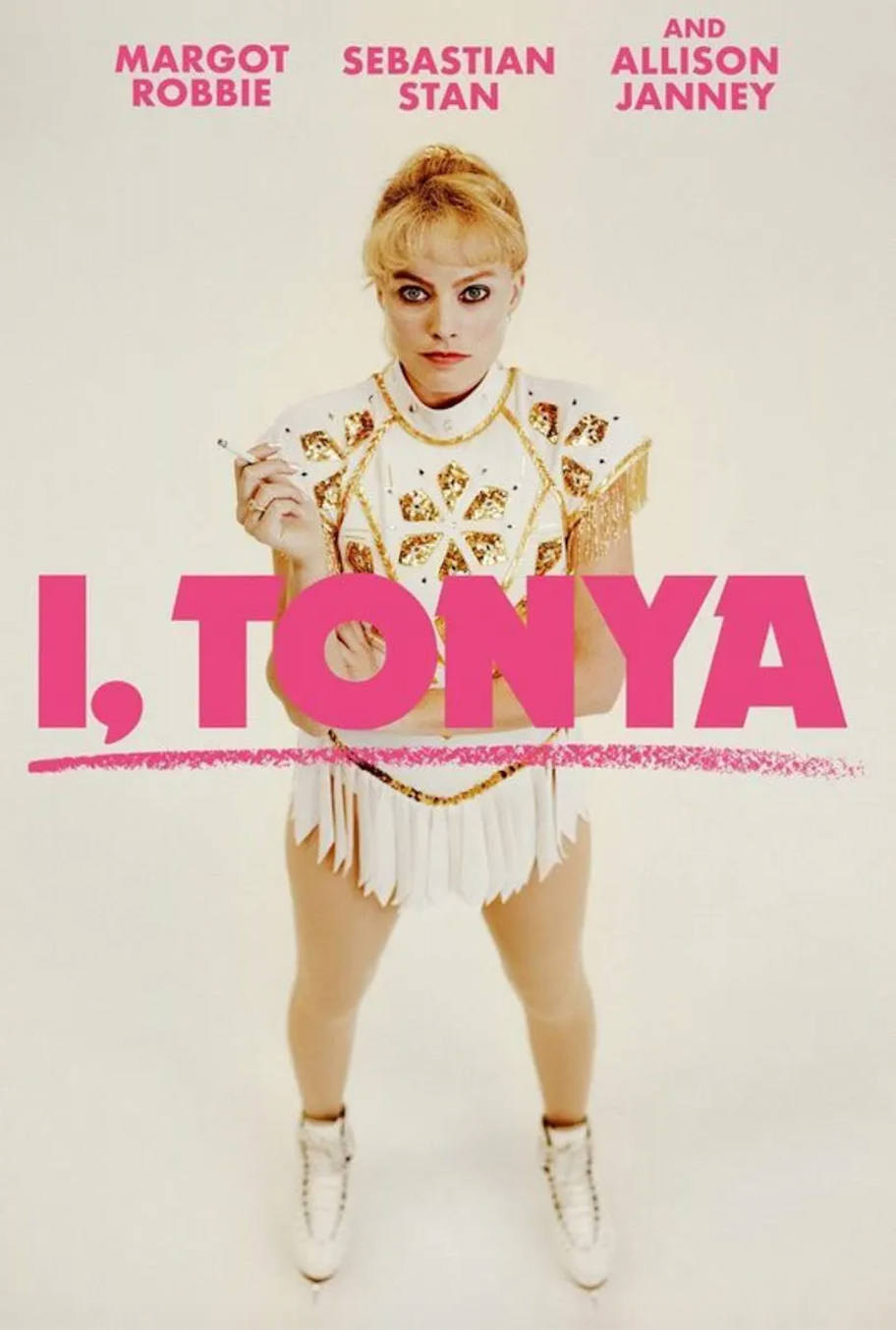
I, TONYA
Directed by Craig Gillespie | 2017 | 120 min
“I’M TOO OUT OF SHAPE.”
“PEAR IS A SHAPE.”
When I first watched I, Tonya during its theatrical run, I was expecting a standard Oscar-bait biopic. Yet this film was not standard whatsoever.
I, Tonya follows the life of Tonya Harding, the competitive figure skater who was infamously connected to the 1994 assault of her skating rival Nancy Kerrigan.
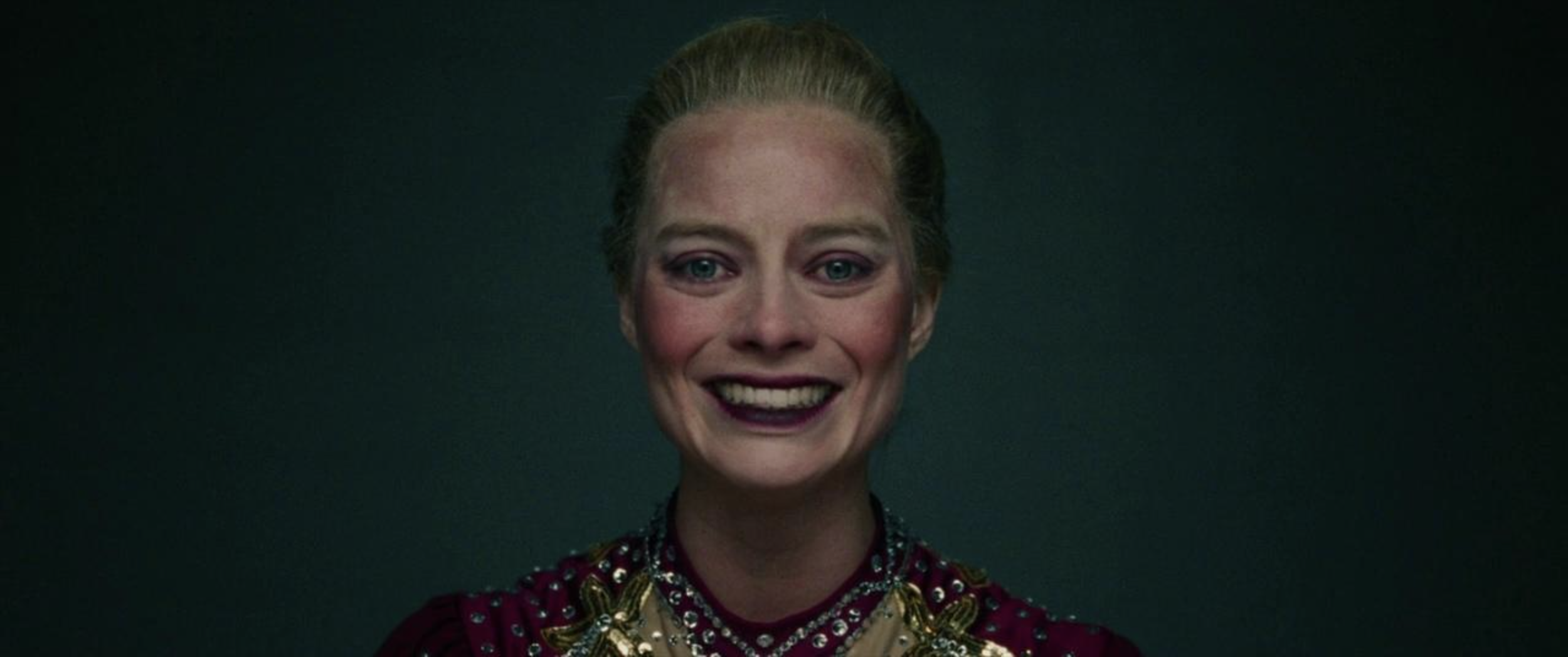
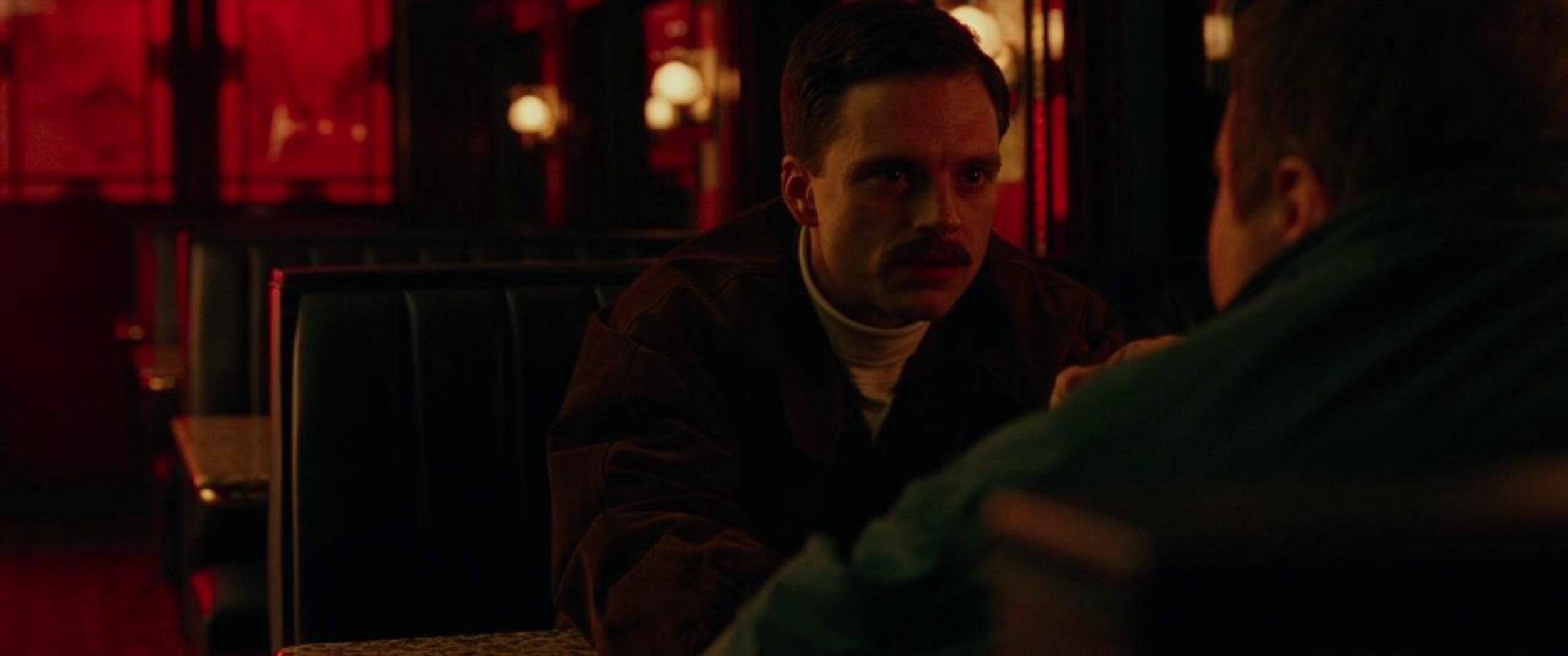
Every acting performance in this film is outstanding. Tonya Harding is played by Margot Robbie, who embodies the role so completely in her voice, mannerisms, and appearance that she often becomes unrecognizable. Tonya’s abusive mother LaVona Harding is played by Allison Janney, who steals the show with her caustic delivery of lines. Additional standout performances are Sebastian Stan as Tonya’s dopey husband Jeff Gillooly, and Paul Walter Hauser as the even dopier Shawn Eckardt (Tonya’s bodyguard and Jeff’s friend).
The story follows Tonya’s figure skating journey from childhood all the way up through the Nancy Kerrigan assault. For context: Kerrigan’s assault is planned by Jeff and Shawn. Tonya’s level of involvement in the assault is unclear and dubious, yet the incident nevertheless results in her being banned from competitive figure skating.
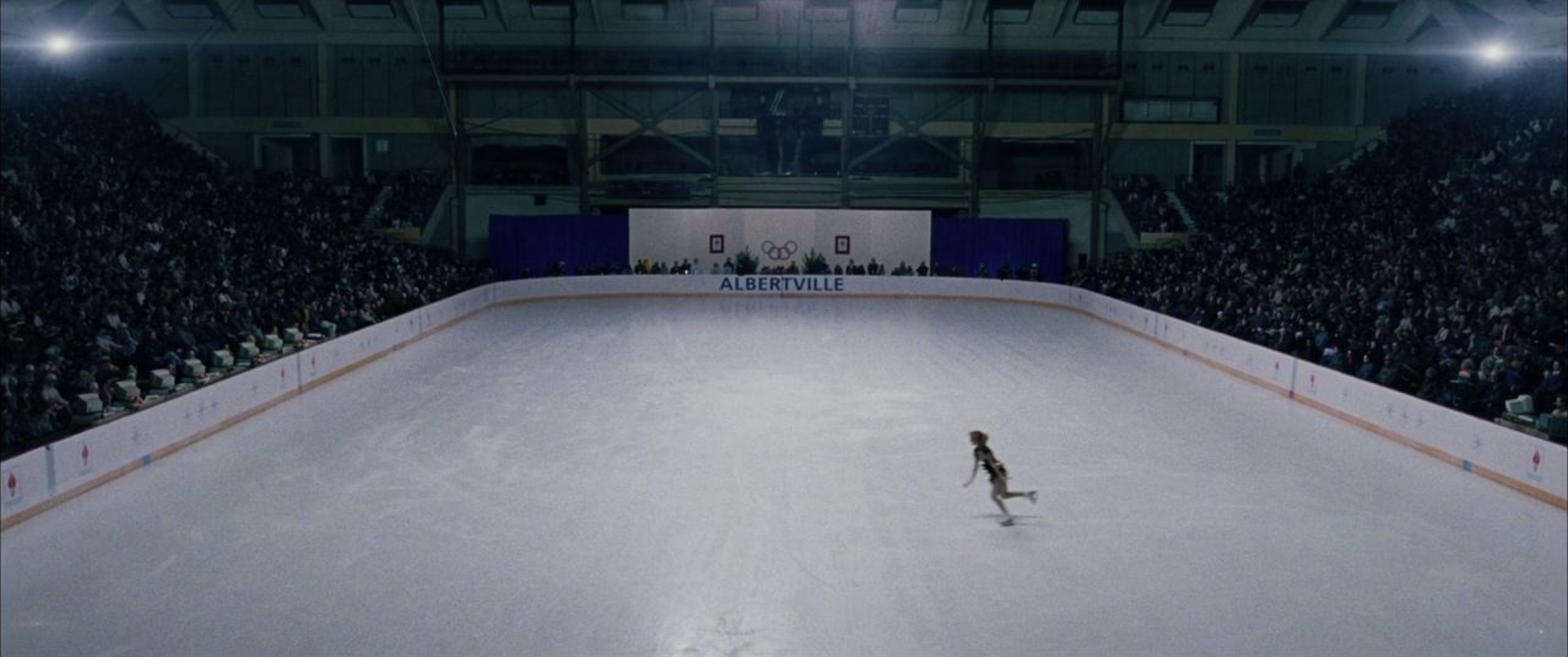
I, Tonya is technically brilliant. Its fast pace and rock-heavy soundtrack is reminiscent of Goodfellas. The cinematography is bold and unique. There are numerous tracking shots which feature the camera travelling through walls, down roads, and upward into the sky. Tonya’s figure skating performances in the film are shot in a style that is completely captivating, even if the viewer has no interest in the sport. For this reason, I consider I, Tonya to be one of the best sports films of all time.
The film poses a multitude of questions.
It asks: to what extent are people evaluated by their talent as opposed to appearances? And to what extent should people embrace their reputation?
Tonya repeatedly proves to be the most technically-impressive skater at most of her competitions. Yet, she faces the hurdle of her reputation as “white trash,” and only occasionally places first. But Tonya never gives up, and claws her way into the Winter Olympics twice. Even when Tonya’s figure skating ambitions disappear after the Kerrigan assault, Tonya embraces her white trash reputation in the public eye and achieves attention by competing in boxing and various reality shows.
The film also asks: what if hatred is not a purely negative emotion that ought to be done away with? What if hatred is a necessary source of motivation?
LaVona repeatedly justifies her harsh treatment of Tonya by pointing to Tonya’s success. She tells Tonya, “I made you a champion, knowing you'd hate me for it. That's the sacrifice a mother makes! I wish I'd had a mother like me instead of nice. Nice gets you shit! I didn't like my mother either, so what? I fucking gave you a gift!”
And she has a point. In the film, she pays random crowd members to heckle Tonya at competitions. The camera focuses on Tonya to show her boiling with rage, before converting that rage into energy for her performance.
Tonya herself becomes the brunt of hatred by the American public after the assault of Nancy Kerrigan. For the nation, hatred seems to have a similarly invigorating effect (although in this case, the hatred is converted into rapt television viewership instead of impressive athletic feats).
Tonya says “America, you know, they want someone to love - but they want someone to hate.”
Finally, the film asks: what is truth?
In the absence of a permanent record of all human interactions, we all make assumptions about who’s the villain and who’s the hero in a story. I, Tonya features direct interviews with (fictionalized) Tonya Harding, LaVona Harding, and Jeff Gillooly, with each character defending themselves, accusing others, and pleading ignorance about situations gone awry. Over the course of the film, the viewer is clearly meant to feel sympathy for Tonya. But beyond that, we are left with an unclear narrative regarding what actually happened with the assault of Nancy Kerrigan. The truth is elusive.
Tonya addresses this perennial philosophical question most succinctly when she claims “There's no such thing as truth. It's bullshit. Everyone has their own truth, and life just does whatever the fuck it wants.”
I, Tonya manages to ask all of these questions while being consistently funny, consistently entertaining, and consistently beautiful. To call that a great achievement would be an understatement.
- AJ
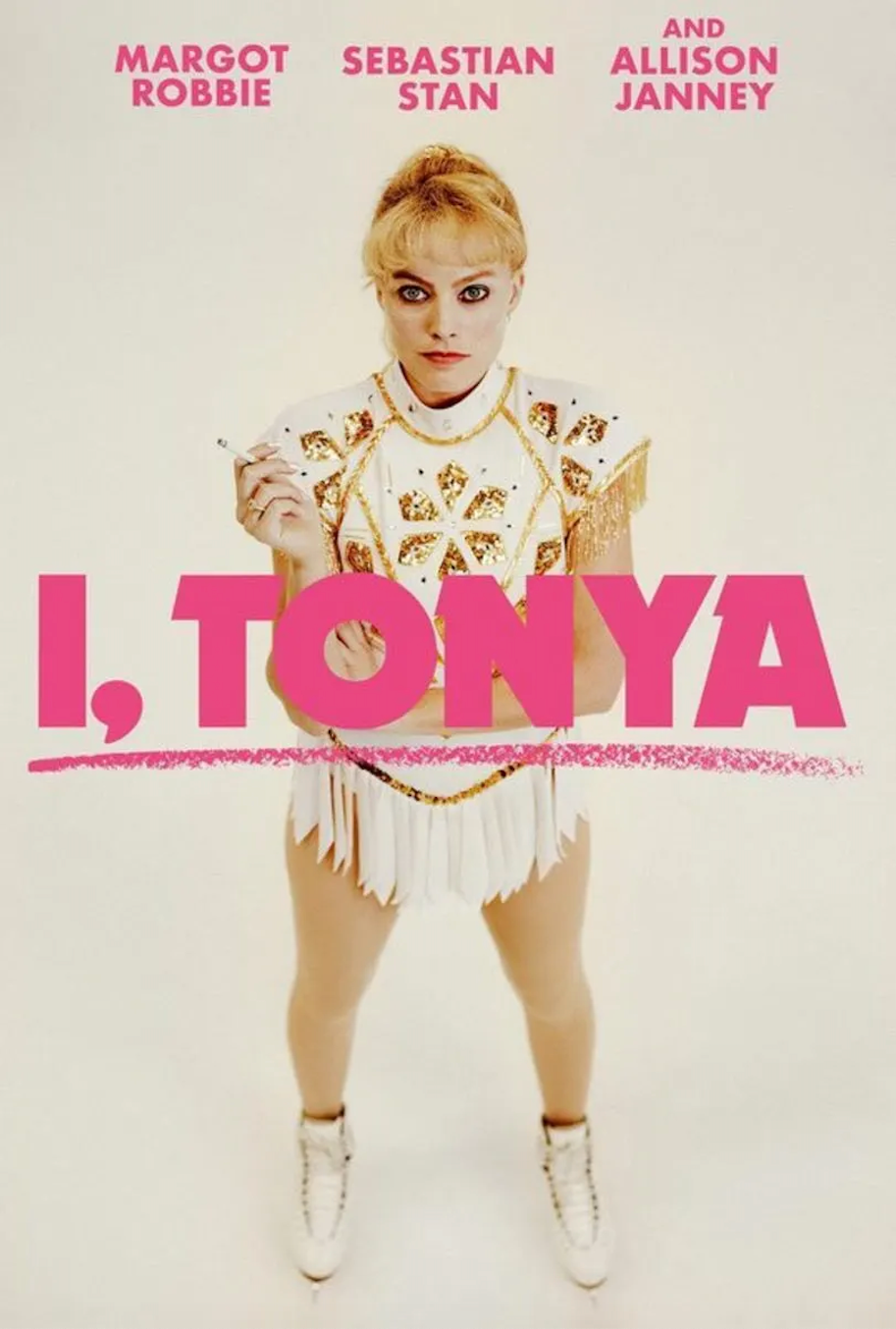
I, TONYA
Directed by Craig Gillespie
2017 | 120 min
“I’M TOO OUT OF SHAPE.”
“PEAR IS A SHAPE.”
When I first watched I, Tonya during its theatrical run, I was expecting a standard Oscar-bait biopic. Yet this film was not standard whatsoever.
I, Tonya follows the life of Tonya Harding, the competitive figure skater who was infamously connected to the 1994 assault of her skating rival Nancy Kerrigan.
Every acting performance in this film is outstanding. Tonya Harding is played by Margot Robbie, who embodies the role so completely in her voice, mannerisms, and appearance that she often becomes unrecognizable. Tonya’s abusive mother LaVona Harding is played by Allison Janney, who steals the show with her caustic delivery of lines. Additional standout performances are Sebastian Stan as Tonya’s dopey husband Jeff Gillooly, and Paul Walter Hauser as the even dopier Shawn Eckardt (Tonya’s bodyguard and Jeff’s friend).
The story follows Tonya’s figure skating journey from childhood all the way up through the Nancy Kerrigan assault. For context: Kerrigan’s assault is planned by Jeff and Shawn. Tonya’s level of involvement in the assault is unclear and dubious, yet the incident nevertheless results in her being banned from competitive figure skating.
I, Tonya is technically brilliant. Its fast pace and rock-heavy soundtrack is reminiscent of Goodfellas. The cinematography is bold and unique. There are numerous tracking shots which feature the camera travelling through walls, down roads, and upward into the sky. Tonya’s figure skating performances in the film are shot in a style that is completely captivating, even if the viewer has no interest in the sport. For this reason, I consider I, Tonya to be one of the best sports films of all time.
The film poses a multitude of questions.
It asks: to what extent are people evaluated by their talent as opposed to appearances? And to what extent should people embrace their reputation?
Tonya repeatedly proves to be the most technically-impressive skater at most of her competitions. Yet, she faces the hurdle of her reputation as “white trash,” and only occasionally places first. But Tonya never gives up, and claws her way into the Winter Olympics twice. Even when Tonya’s figure skating ambitions disappear after the Kerrigan assault, Tonya embraces her white trash reputation in the public eye and achieves attention by competing in boxing and various reality shows.
The film also asks: what if hatred is not a purely negative emotion that ought to be done away with? What if hatred is a necessary source of motivation?
LaVona repeatedly justifies her harsh treatment of Tonya by pointing to Tonya’s success. She tells Tonya, “I made you a champion, knowing you'd hate me for it. That's the sacrifice a mother makes! I wish I'd had a mother like me instead of nice. Nice gets you shit! I didn't like my mother either, so what? I fucking gave you a gift!”
And she has a point. In the film, she pays random crowd members to heckle Tonya at competitions. The camera focuses on Tonya to show her boiling with rage, before converting that rage into energy for her performance.
Tonya herself becomes the brunt of hatred by the American public after the assault of Nancy Kerrigan. For the nation, hatred seems to have a similarly invigorating effect (although in this case, the hatred is converted into rapt television viewership instead of impressive athletic feats).
Tonya says “America, you know, they want someone to love - but they want someone to hate.”
Finally, the film asks: what is truth?
In the absence of a permanent record of all human interactions, we all make assumptions about who’s the villain and who’s the hero in a story. I, Tonya features direct interviews with (fictionalized) Tonya Harding, LaVona Harding, and Jeff Gillooly, with each character defending themselves, accusing others, and pleading ignorance about situations gone awry. Over the course of the film, the viewer is clearly meant to feel sympathy for Tonya. But beyond that, we are left with an unclear narrative regarding what actually happened with the assault of Nancy Kerrigan. The truth is elusive.
Tonya addresses this perennial philosophical question most succinctly when she claims “There's no such thing as truth. It's bullshit. Everyone has their own truth, and life just does whatever the fuck it wants.”
I, Tonya manages to ask all of these questions while being consistently funny, consistently entertaining, and consistently beautiful. To call that a great achievement would be an understatement.
- AJ
