
MOVIE OF THE MONTH
AUG ‘26
MOVIE OF THE MONTH
AUG ‘26

WAKE IN FRIGHT
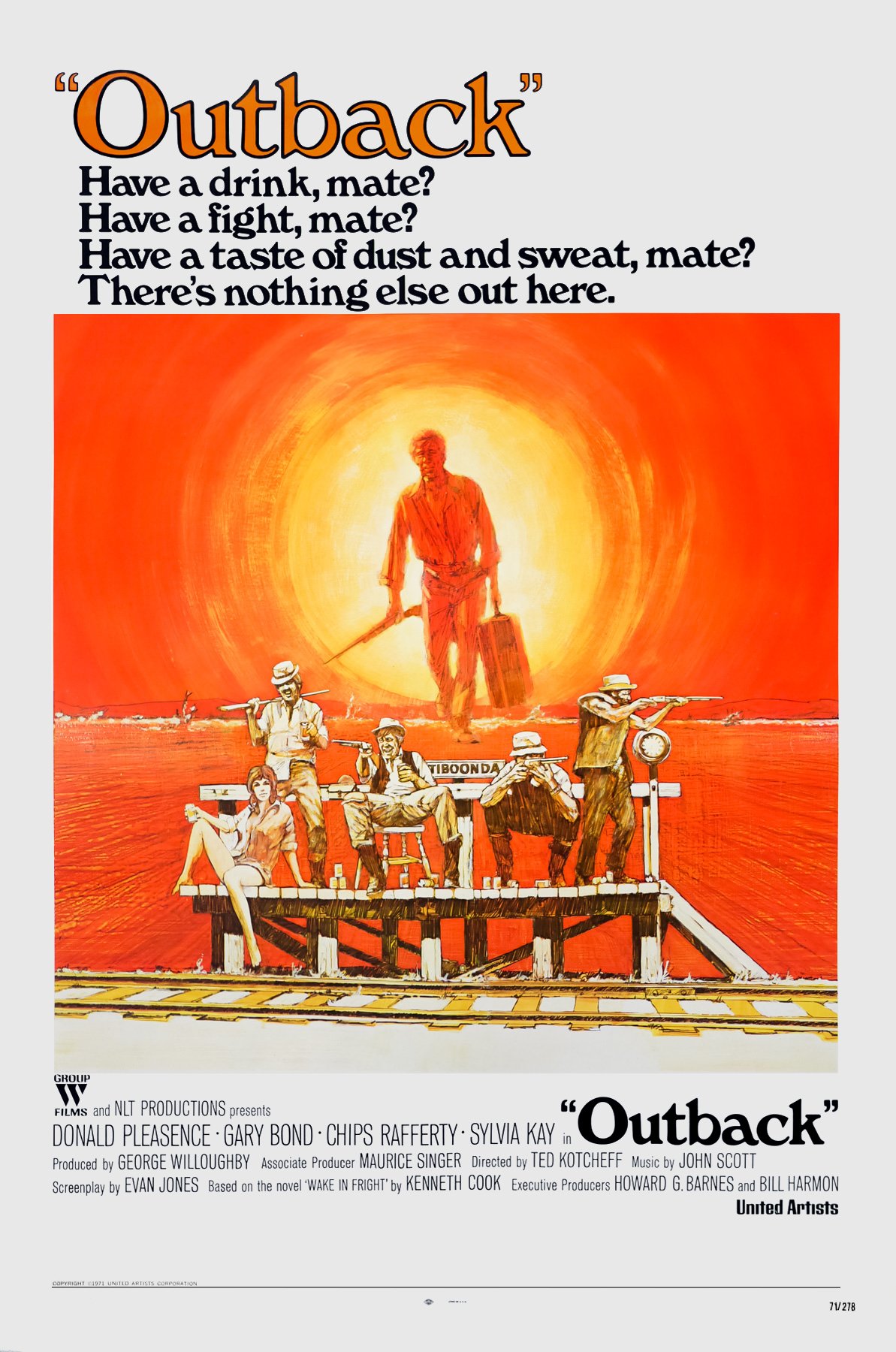
Directed by Ted Kotcheff | 1971 | 109 min
“All the little devils
are Proud of hell.”
July. New York City. The squalid summer heat. The reek of the city’s trash. It rises up, and every city block becomes a skyscraper canyon of trapped stink. You have no job and no prospects. Your housing for tonight is the three-by-six-foot nook at the side of your buddy’s bed. You have no change of clothes and the thin film of grime and sweat clings to you tighter than your own skin. The fan is on, but it does little to cool down the room. Its true purpose is to release a small mechanical whirring noise that reminds you you’re still awake. How are you ever going to sleep here? How are you ever going to sleep in a place like this?
Ten thousand miles away, New South Wales, Australia. The same problems. The same problems and the same answer. Have a drink.
The drink will get you to sleep.
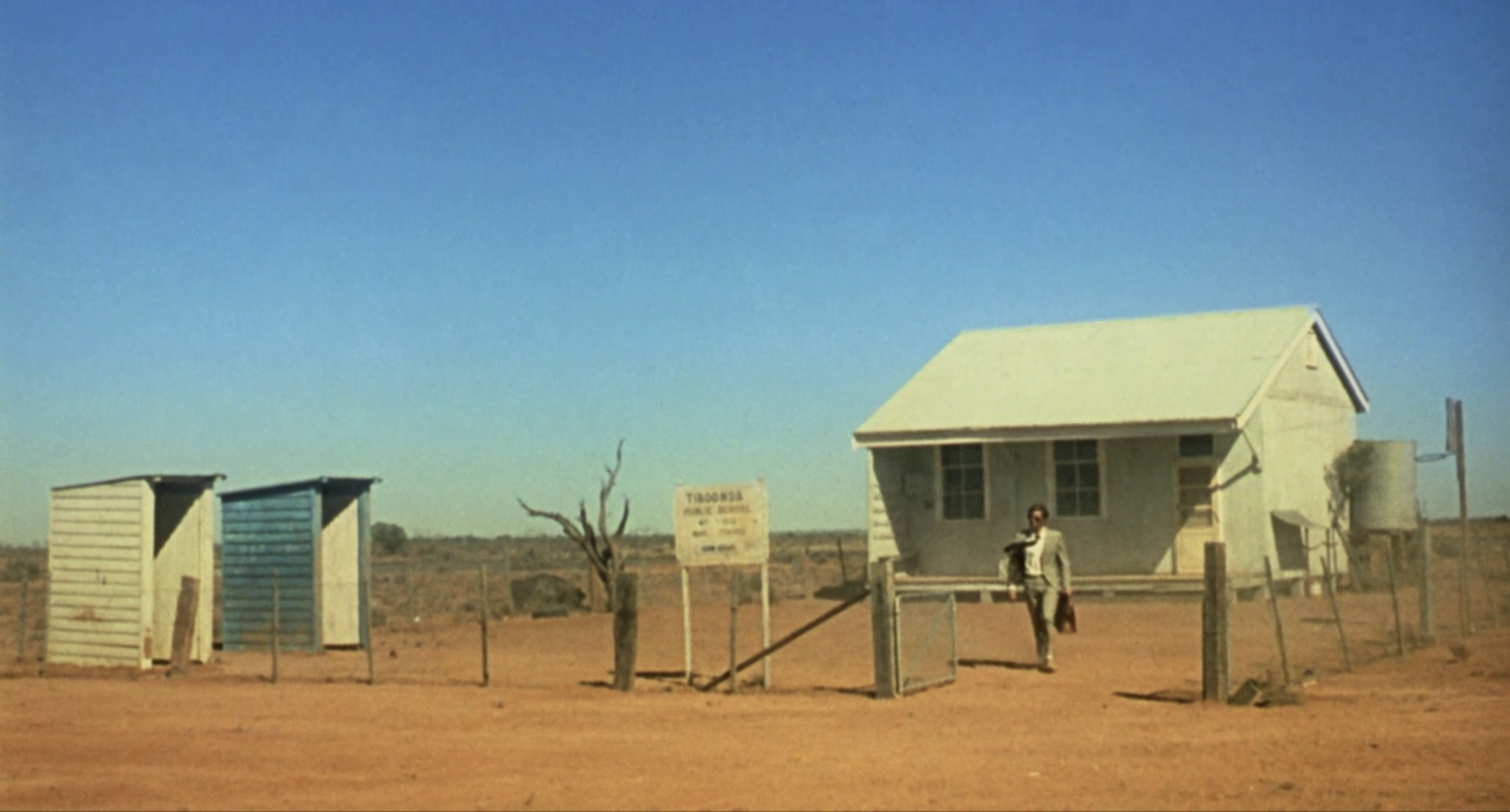
Wake in Fright is the story of John Grant (Gary Bond), a schoolteacher who finds himself penniless and stranded in the brutal heat and debauchery of Bundanyabba. Nicknamed simply “The Yabba” by its locals, the outback town offers only gambling, sex, violence, and, most importantly, alcohol. Among the riffraff, Grant finds an intellectual equal in “Doc” Tydon (Donald Pleasance), a medical practitioner who has settled in “The Yabba.” But the friendship that “Doc” offers and the allure of the town’s hedonism form a dark trap that ensnares John Grant.
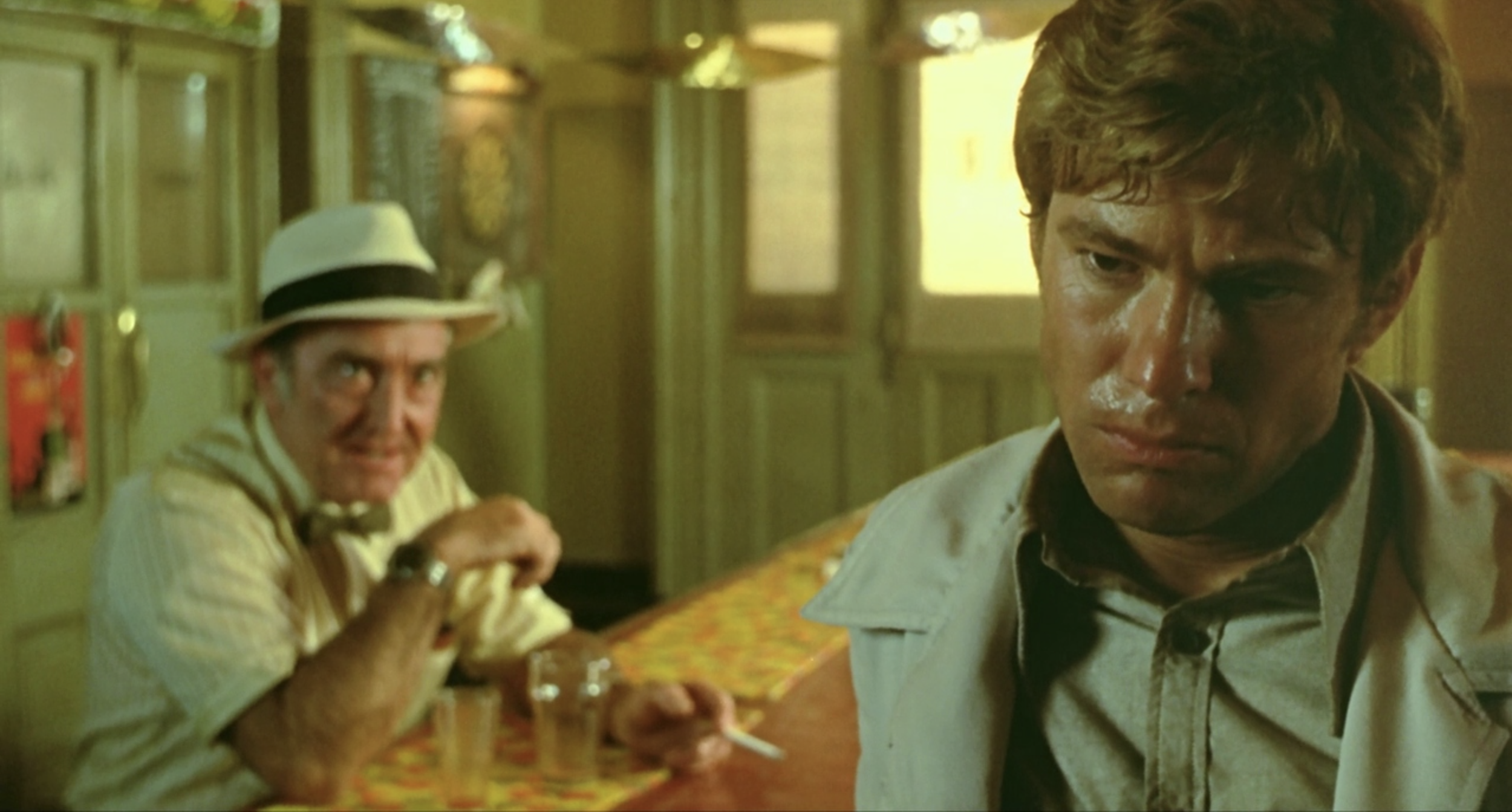
It all starts with a beer. Stuck traveling between Tiboonda and Sydney for Christmas Holiday, Grant makes a stop at a local pub. Here, a policeman buys him a drink. His insistence on doing so blurs the lines between welcoming and overbearing. And with each additional drink, we as an audience become increasingly skeptical of the policeman’s intentions. In the vivid heat of the outback, every drink seems tantalizing and Grant can’t help but accept the offers of his host. In a fantasy sequence, he dreams of the holiday he’d planned to spend on the coast with his girlfriend. On the beach, he presses a cold, perspiring glass against her stomach. Her sweat and that of the beer bottle are rendered one; the drink becomes as much a symbol of lust to Grant as she is. And so, he keeps drinking.
The pub takes Grant to the game of two-up, an Australian betting game in which players wager on whether two flipped coins will come down as heads or tails. Winning his first round, and his mind made dumb by booze, Grant rides the high of victory. Like the drinks, the bets simply keep coming until Grant is left broke and alone. Of course, his new friends are happy to house him as long as he continues to join them for rounds of beer. See, in “The Yabba” there is no societal pressure towards wealth or success. Everyone is lost. The sight of a civil man like John Grant is nauseating to the people. To them, he must be stripped down to his most primal self to keep themselves from recalling their own shortcomings. With Grant financially dependent on the people of “The Yabba,” the process doesn’t take very long. But the true horror is that the people are largely unaware of what they’re doing; to them, they’re simply being friendly.
At the height of his depravity, Grant accompanies Doc and two others, Dick and Joe, on a kangaroo hunt. The ensuing violence is visceral and real, as the footage is taken from an actual licensed hunt of the outback critters. The pointless slaughter, without end, drags us to the deepest pit of Grant’s personal hell. In the aftermath, the men loiter around a pub where Dick and Joe erupt into drunken fisticuffs. More senseless violence. The scene is the epitome of friendship in the outback: those who appear to be mates on the surface can bubble over into something far crueler at any given moment.
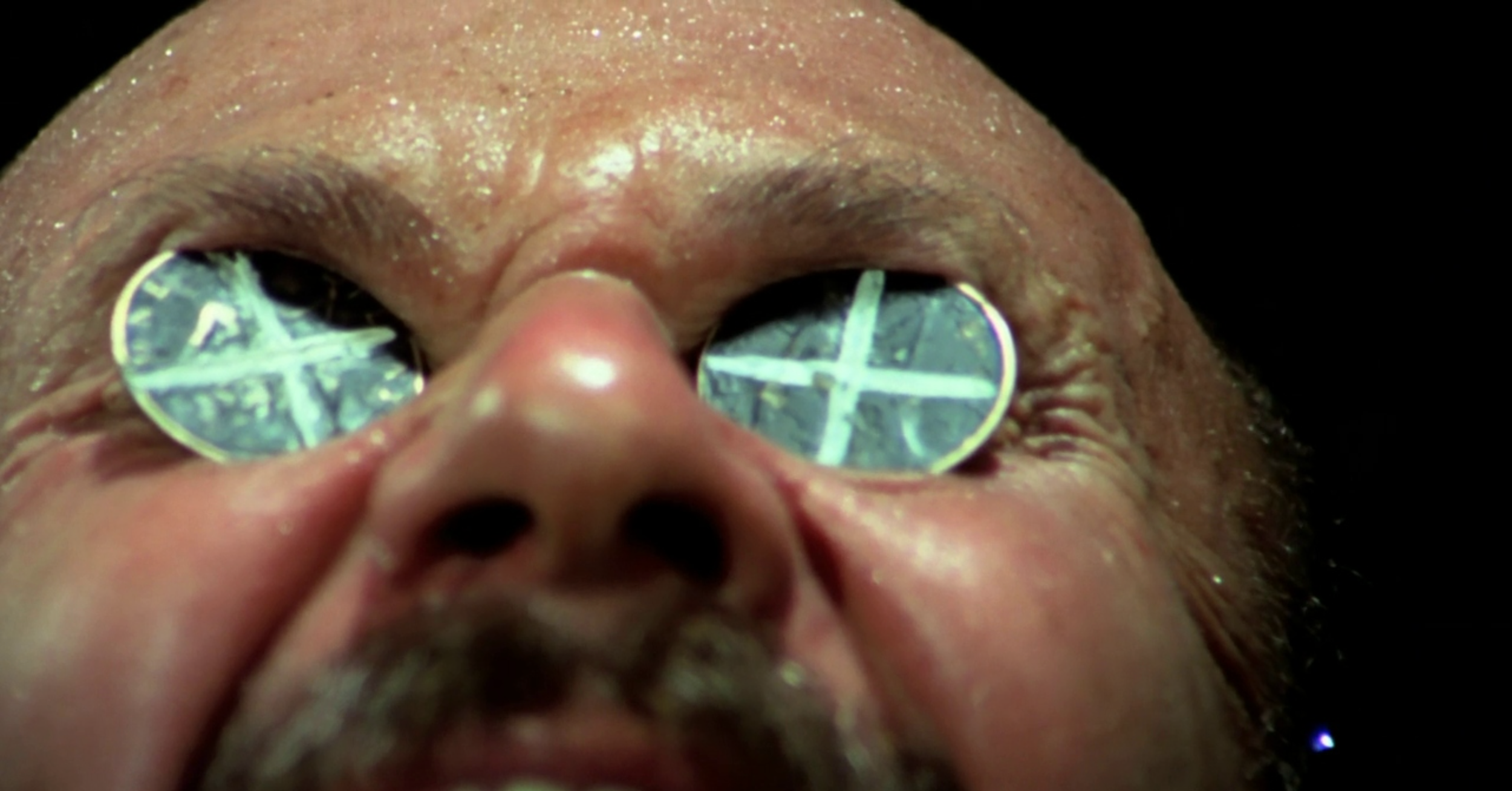
“Doc”, who first appears to Grant as a civilized man, is, in truth, no better than the rest. He sleeps with the wife of one of his friends; he partakes in the savagery of the kangaroo hunt; and he drinks like mad. “Doc” only differs from the others in that he sees “The Yabba” for what it is. He is what Grant is doomed to become if he cannot escape. In one shot, Grant envisions “Doc” with two gambling coins covering his eyes. The image recalls the Greek myth of Charon as it has developed in the collective consciousness. Those who journey to the underworld must properly compensate Charon to be ferried across the River Styx. Their payment comes in the form of two coins, with which they are buried, placed over the eyes of the deceased by loved ones. “Doc”, the director Ted Kotcheff suggests, is already dead. But “Doc” plays not only the role of dead man but also ferryman, as he is the guide who journeys with Grant through his unique hell. He is the one who accompanies Grant when at last he departs from “The Yabba.”
Grant’s departure at the end of the film is not the only time he makes a legitimate attempt to escape. After the night of the kangaroo hunt, Grant wakes beside a half-naked “Doc”, suggesting a sexual encounter between the two. Seeing how unknowingly he now succumbs to his basic urges, Grant hitches a ride with a truck driver headed for Sydney. Much to his surprise, when Grant wakes next, the driver has brought him right back to Bundanyabba. It’s a moment that reads like a Twilight Zone ending. And watching the scene, you can hear The Eagles singing at the back of your skull, “You can check out any time you like… but you can never leave.”
You’re in Belfast for a study abroad program and your new friends will only hang out with you if you’re at the pub. You’re in Punta Cana for a bachelorette party and the bridesmaids are shouting at you to get another hundred for the slot machines. You’re in the lowlands of South Korea, hunting with your father, and he insists you raise your bow to meet a deer’s gaze. You’re in New York, lying awake, listening to the mechanical whirring of an electric fan. Though Wake in Fright is so distinctly Australian in its design, featuring two-up and kangaroos and the sweltering humidity of the outback, anyone can see themselves in it. You arrive at the film thinking you’re above it all, just like John Grant. But as his world unravels around him, you see how easily your world can unravel around you. Madness, Wake in Fright suggests, is just a friendly smile and a drink away.
- Matt
WAKE IN FRIGHT
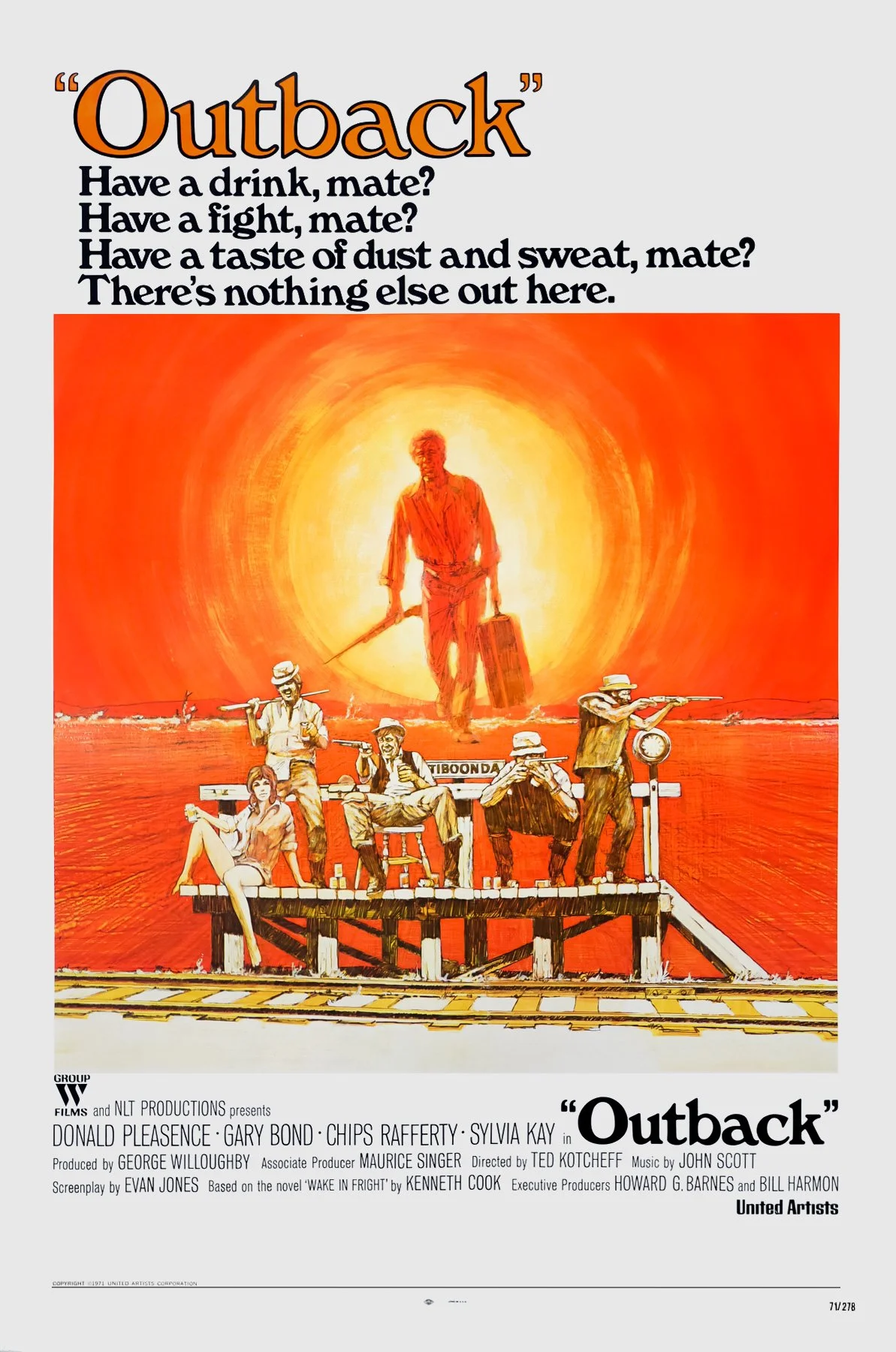
Directed by Ted Kotcheff
1971 | 109 min
“All the little devils are proud
of hell.”
July. New York City. The squalid summer heat. The reek of the city’s trash. It rises up, and every city block becomes a skyscraper canyon of trapped stink. You have no job and no prospects. Your housing for tonight is the three-by-six-foot nook at the side of your buddy’s bed. You have no change of clothes and the thin film of grime and sweat clings to you tighter than your own skin. The fan is on, but it does little to cool down the room. Its true purpose is to release a small mechanical whirring noise that reminds you you’re still awake. How are you ever going to sleep here? How are you ever going to sleep in a place like this?
Ten thousand miles away, New South Wales, Australia. The same problems. The same problems and the same answer. Have a drink.
The drink will get you to sleep.
Wake in Fright is the story of John Grant (Gary Bond), a schoolteacher who finds himself penniless and stranded in the brutal heat and debauchery of Bundanyabba. Nicknamed simply “The Yabba” by its locals, the outback town offers only gambling, sex, violence, and, most importantly, alcohol. Among the riffraff, Grant finds an intellectual equal in “Doc” Tydon (Donald Pleasance), a medical practitioner who has settled in “The Yabba.” But the friendship that “Doc” offers and the allure of the town’s hedonism form a dark trap that ensnares John Grant.
It all starts with a beer. Stuck traveling between Tiboonda and Sydney for Christmas Holiday, Grant makes a stop at a local pub. Here, a policeman buys him a drink. His insistence on doing so blurs the lines between welcoming and overbearing. And with each additional drink, we as an audience become increasingly skeptical of the policeman’s intentions. In the vivid heat of the outback, every drink seems tantalizing and Grant can’t help but accept the offers of his host. In a fantasy sequence, he dreams of the holiday he’d planned to spend on the coast with his girlfriend. On the beach, he presses a cold, perspiring glass against her stomach. Her sweat and that of the beer bottle are rendered one; the drink becomes as much a symbol of lust to Grant as she is. And so, he keeps drinking.
The pub takes Grant to the game of two-up, an Australian betting game in which players wager on whether two flipped coins will come down as heads or tails. Winning his first round, and his mind made dumb by booze, Grant rides the high of victory. Like the drinks, the bets simply keep coming until Grant is left broke and alone. Of course, his new friends are happy to house him as long as he continues to join them for rounds of beer. See, in “The Yabba” there is no societal pressure towards wealth or success. Everyone is lost. The sight of a civil man like John Grant is nauseating to the people. To them, he must be stripped down to his most primal self to keep themselves from recalling their own shortcomings. With Grant financially dependent on the people of “The Yabba,” the process doesn’t take very long. But the true horror is that the people are largely unaware of what they’re doing; to them, they’re simply being friendly.
At the height of his depravity, Grant accompanies Doc and two others, Dick and Joe, on a kangaroo hunt. The ensuing violence is visceral and real, as the footage is taken from an actual licensed hunt of the outback critters. The pointless slaughter, without end, drags us to the deepest pit of Grant’s personal hell. In the aftermath, the men loiter around a pub where Dick and Joe erupt into drunken fisticuffs. More senseless violence. The scene is the epitome of friendship in the outback: those who appear to be mates on the surface can bubble over into something far crueler at any given moment.
“Doc”, who first appears to Grant as a civilized man, is, in truth, no better than the rest. He sleeps with the wife of one of his friends; he partakes in the savagery of the kangaroo hunt; and he drinks like mad. “Doc” only differs from the others in that he sees “The Yabba” for what it is. He is what Grant is doomed to become if he cannot escape. In one shot, Grant envisions “Doc” with two gambling coins covering his eyes. The image recalls the Greek myth of Charon as it has developed in the collective consciousness. Those who journey to the underworld must properly compensate Charon to be ferried across the River Styx. Their payment comes in the form of two coins, with which they are buried, placed over the eyes of the deceased by loved ones. “Doc”, the director Ted Kotcheff suggests, is already dead. But “Doc” plays not only the role of dead man but also ferryman, as he is the guide who journeys with Grant through his unique hell. He is the one who accompanies Grant when at last he departs from “The Yabba.”
Grant’s departure at the end of the film is not the only time he makes a legitimate attempt to escape. After the night of the kangaroo hunt, Grant wakes beside a half-naked “Doc”, suggesting a sexual encounter between the two. Seeing how unknowingly he now succumbs to his basic urges, Grant hitches a ride with a truck driver headed for Sydney. Much to his surprise, when Grant wakes next, the driver has brought him right back to Bundanyabba. It’s a moment that reads like a Twilight Zone ending. And watching the scene, you can hear The Eagles singing at the back of your skull, “You can check out any time you like… but you can never leave.”
You’re in Belfast for a study abroad program and your new friends will only hang out with you if you’re at the pub. You’re in Punta Cana for a bachelorette party and the bridesmaids are shouting at you to get another hundred for the slot machines. You’re in the lowlands of South Korea, hunting with your father, and he insists you raise your bow to meet a deer’s gaze. You’re in New York, lying awake, listening to the mechanical whirring of an electric fan. Though Wake in Fright is so distinctly Australian in its design, featuring two-up and kangaroos and the sweltering humidity of the outback, anyone can see themselves in it. You arrive at the film thinking you’re above it all, just like John Grant. But as his world unravels around him, you see how easily your world can unravel around you. Madness, Wake in Fright suggests, is just a friendly smile and a drink away.
- Matt
