
MOVIE OF THE MONTH
OCT ‘26
MOVIE OF THE MONTH
OCT ‘26
MOVIE OF THE MONTH
OCT ‘26

MEET JOE BLACK
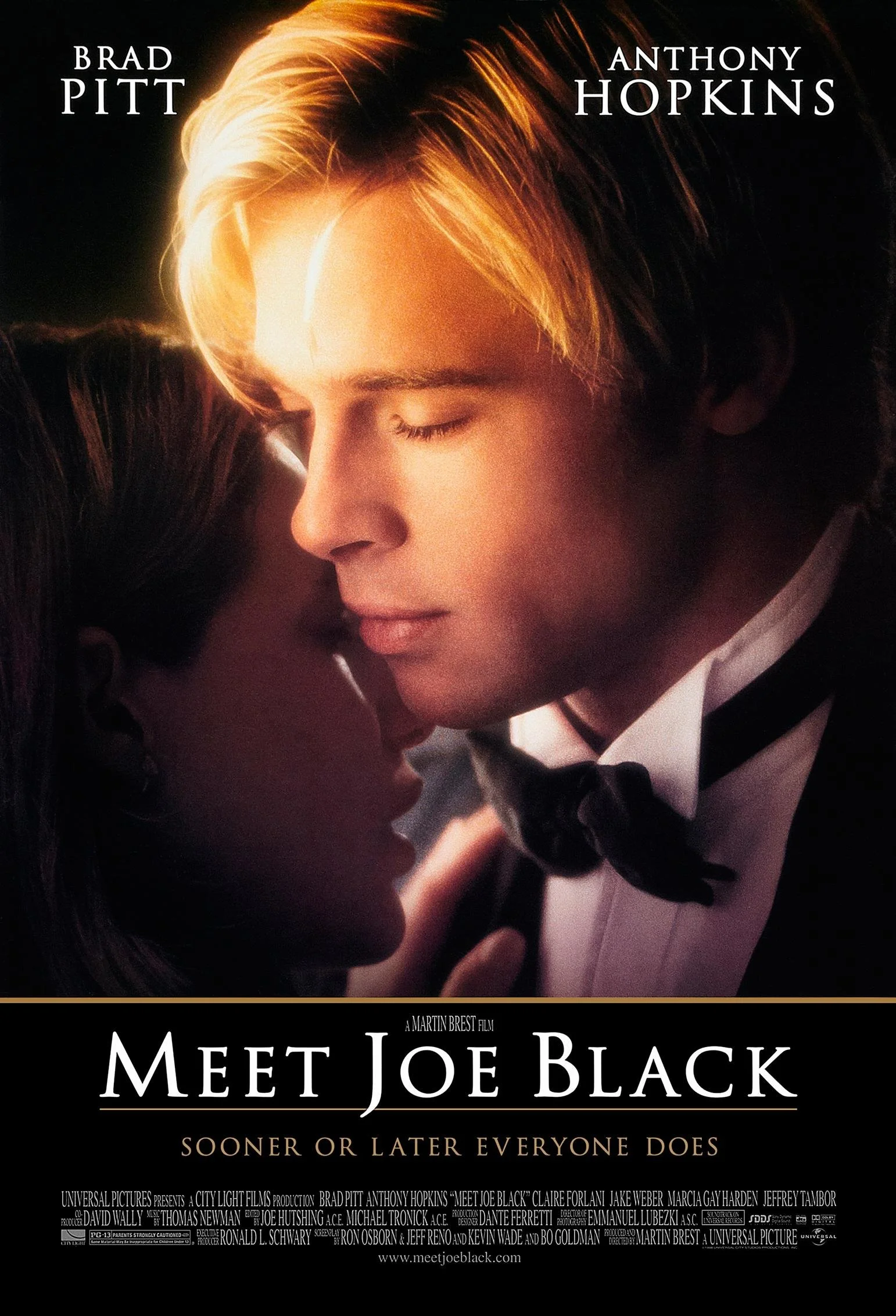
Directed by Martin Brest | 1998 | 178 min
“DEATH AND TAXES.”
Why is it we seldom tell the people we love how much they mean to us? And when those moments do come, they’re accompanied by an obligatory apology for allowing ourselves to be so sentimental. It seems that nowadays people can’t stand to be anything other than ironic. So, when they look at a movie like Meet Joe Black, they find it gushing with sap and corniness. But where others see sappiness, I see sincerity. The very same sincerity that seems so scarcely passed between loved ones.
In truth, films aren’t quite so simple as “good” and “bad.” There are those that align with our sensibilities and those that do not. But occasionally, a movie that might otherwise leave us cold reaches us precisely when it needs to. I’m not quite sure what it was with Meet Joe Black. Perhaps it was something in the romance of the leaves starting to change. Or the approaching deadline of my 25th birthday. Or the slight morbidity of the Halloween season—to encounter a film so lightly tinged with death. But whatever the reason, the movie found me at the right time.
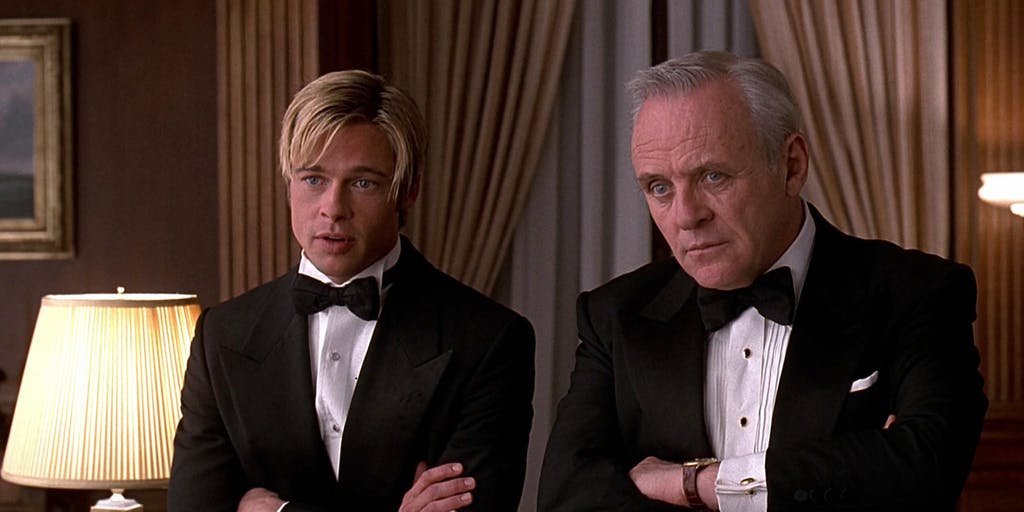
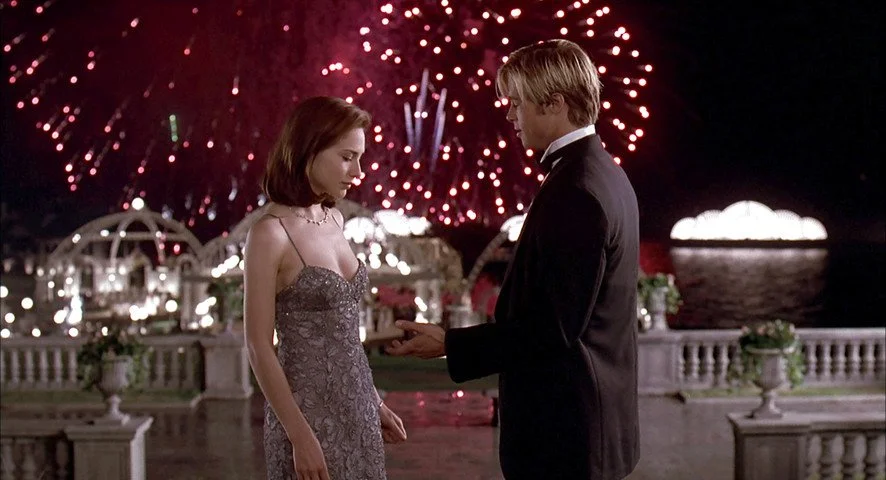
The film stars Brad Pitt as Joe Black, the corporeal embodiment of death, who has recently become curious about what life is like. Black makes a deal with media magnate Bill Parrish (Anthony Hopkins), who is dying from heart complications. In exchange for being his guide in the living world, Black will extend Parrish’s life so long as he remains entertained. But what ultimately captures Black’s interest is Parrish’s daughter, Susan, portrayed by the underappreciated Claire Forlani. As romance blossoms between the two, Black must choose between bringing Susan with him to the world of the dead or allowing her to live out a mortal life without him.
Though the movie is a celebration of both life and death, and suggests that the two must coexist, it concludes that they do not mix. Life and death are opposites. And while this is true of Black’s relationship with Susan, it is perhaps most clear in the relationship between Black and Bill. Bill is a man who has lived a full life and must now come to terms with death; Black, on the other hand, is just now coming to terms with life. The tragedy is that, eventually, both men must leave the world of the living and cross over into the world of the dead.
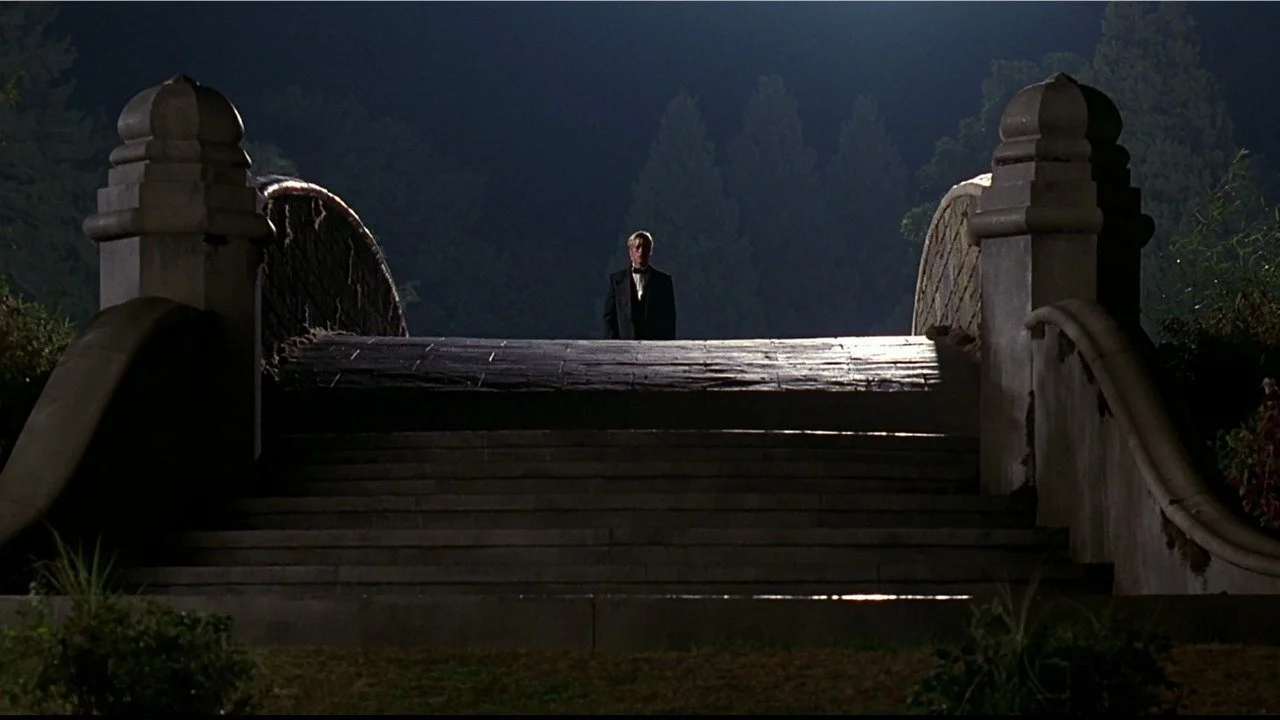
Symbolically, this is achieved at the end of the film with the two crossing a walking bridge. Susan cannot cross. She can only observe as the pair walk off. She is representative of life, youthful and joyous. Black, naturally, is death. Bill exists as something in between the two, moving from life into death. Mirroring him is another character portrayed by Pitt, a young man with whom Susan shares a meet-cute at the start of the film. The young man is killed in a traffic accident and is hurled into the afterworld. It is this man whose form Black takes throughout the narrative, complicating his relationship with Susan and contributing much of the situational comedy in the story. But importantly, after Black’s departure over the walking bridge, this young man returns across it. He moves from death into life. Together, these four characters illustrate the ways that life and death may intersect, while remaining fundamentally different states of being. When all is said and done, each character can only remain on one side of the bridge.
Over the course of its whopping three-hour runtime, Martin Brest, the film’s director, captures life in small moments. Black finds joy in life through the taste of peanut butter. Bill’s older daughter, Allison, toils to plan a 65th birthday party for her father, and his lack of involvement weighs on her. Her husband, Quince, who appears as an oafish caricature in the first acts of the story, evolves into a three-dimensional person with fierce loyalty to his family. Bill, in one exchange, is asked by Black how he first knew he was in love with his late wife. The scene, masterfully acted by Hopkins, has him choking up, managing only to describe what she was wearing when they first met. Despite the ambition of the movie and its grandiose themes, it's these quieter details that bring it to life.
The genuine and awkward romance. The sobering experience of accepting death. The reflection on one’s own life. While watching Meet Joe Black, all of it struck me. Naturally, I was compelled to write about it for this installment of Movie of the Month. The strange thing is, there was so much I had initially planned to say, and now I don’t quite know how to say any of it. But I guess that’s what it comes down to. There’s so much we want to tell the people we love, but in the end, we can hardly seem to find the words.
- Matt
MEET JOE BLACK
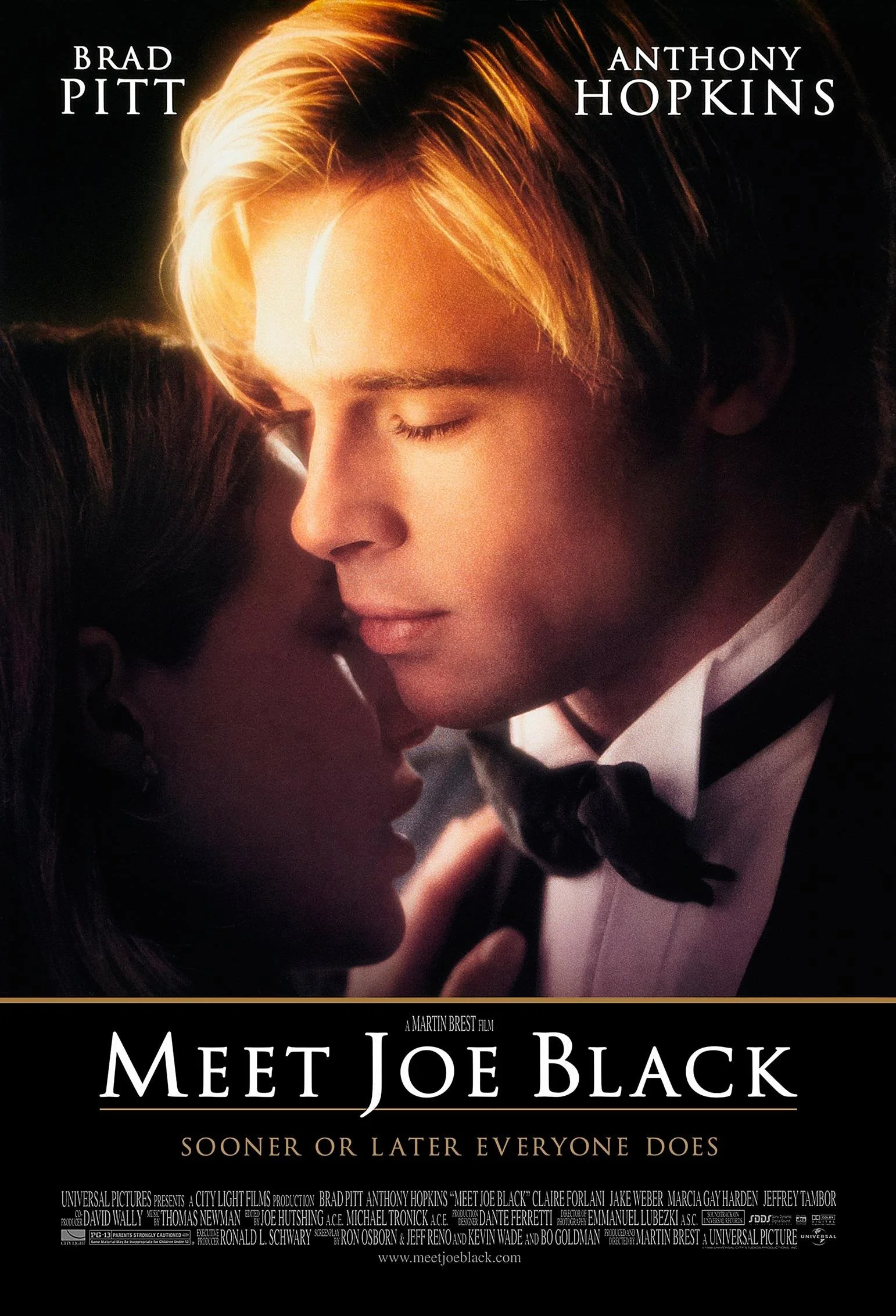
Directed by Martin Brest
1998 | 178 min
“DEATH AND TAXES.”
Why is it we seldom tell the people we love how much they mean to us? And when those moments do come, they’re accompanied by an obligatory apology for allowing ourselves to be so sentimental. It seems that nowadays people can’t stand to be anything other than ironic. So, when they look at a movie like Meet Joe Black, they find it gushing with sap and corniness. But where others see sappiness, I see sincerity. The very same sincerity that seems so scarcely passed between loved ones.
In truth, films aren’t quite so simple as “good” and “bad.” There are those that align with our sensibilities and those that do not. But occasionally, a movie that might otherwise leave us cold reaches us precisely when it needs to. I’m not quite sure what it was with Meet Joe Black. Perhaps it was something in the romance of the leaves starting to change. Or the approaching deadline of my 25th birthday. Or the slight morbidity of the Halloween season—to encounter a film so lightly tinged with death. But whatever the reason, the movie found me at the right time.
The film stars Brad Pitt as Joe Black, the corporeal embodiment of death, who has recently become curious about what life is like. Black makes a deal with media magnate Bill Parrish (Anthony Hopkins), who is dying from heart complications. In exchange for being his guide in the living world, Black will extend Parrish’s life so long as he remains entertained. But what ultimately captures Black’s interest is Parrish’s daughter, Susan, portrayed by the underappreciated Claire Forlani. As romance blossoms between the two, Black must choose between bringing Susan with him to the world of the dead or allowing her to live out a mortal life without him.
Though the movie is a celebration of both life and death, and suggests that the two must coexist, it concludes that they do not mix. Life and death are opposites. And while this is true of Black’s relationship with Susan, it is perhaps most clear in the relationship between Black and Bill. Bill is a man who has lived a full life and must now come to terms with death; Black, on the other hand, is just now coming to terms with life. The tragedy is that, eventually, both men must leave the world of the living and cross over into the world of the dead.
Symbolically, this is achieved at the end of the film with the two crossing a walking bridge. Susan cannot cross. She can only observe as the pair walk off. She is representative of life, youthful and joyous. Black, naturally, is death. Bill exists as something in between the two, moving from life into death. Mirroring him is another character portrayed by Pitt, a young man with whom Susan shares a meet-cute at the start of the film. The young man is killed in a traffic accident and is hurled into the afterworld. It is this man whose form Black takes throughout the narrative, complicating his relationship with Susan and contributing much of the situational comedy in the story. But importantly, after Black’s departure over the walking bridge, this young man returns across it. He moves from death into life. Together, these four characters illustrate the ways that life and death may intersect, while remaining fundamentally different states of being. When all is said and done, each character can only remain on one side of the bridge.
Over the course of its whopping three-hour runtime, Martin Brest, the film’s director, captures life in small moments. Black finds joy in life through the taste of peanut butter. Bill’s older daughter, Allison, toils to plan a 65th birthday party for her father, and his lack of involvement weighs on her. Her husband, Quince, who appears as an oafish caricature in the first acts of the story, evolves into a three-dimensional person with fierce loyalty to his family. Bill, in one exchange, is asked by Black how he first knew he was in love with his late wife. The scene, masterfully acted by Hopkins, has him choking up, managing only to describe what she was wearing when they first met. Despite the ambition of the movie and its grandiose themes, it's these quieter details that bring it to life.
The genuine and awkward romance. The sobering experience of accepting death. The reflection on one’s own life. While watching Meet Joe Black, all of it struck me. Naturally, I was compelled to write about it for this installment of Movie of the Month. The strange thing is, there was so much I had initially planned to say, and now I don’t quite know how to say any of it. But I guess that’s what it comes down to. There’s so much we want to tell the people we love, but in the end, we can hardly seem to find the words.
- Matt
